
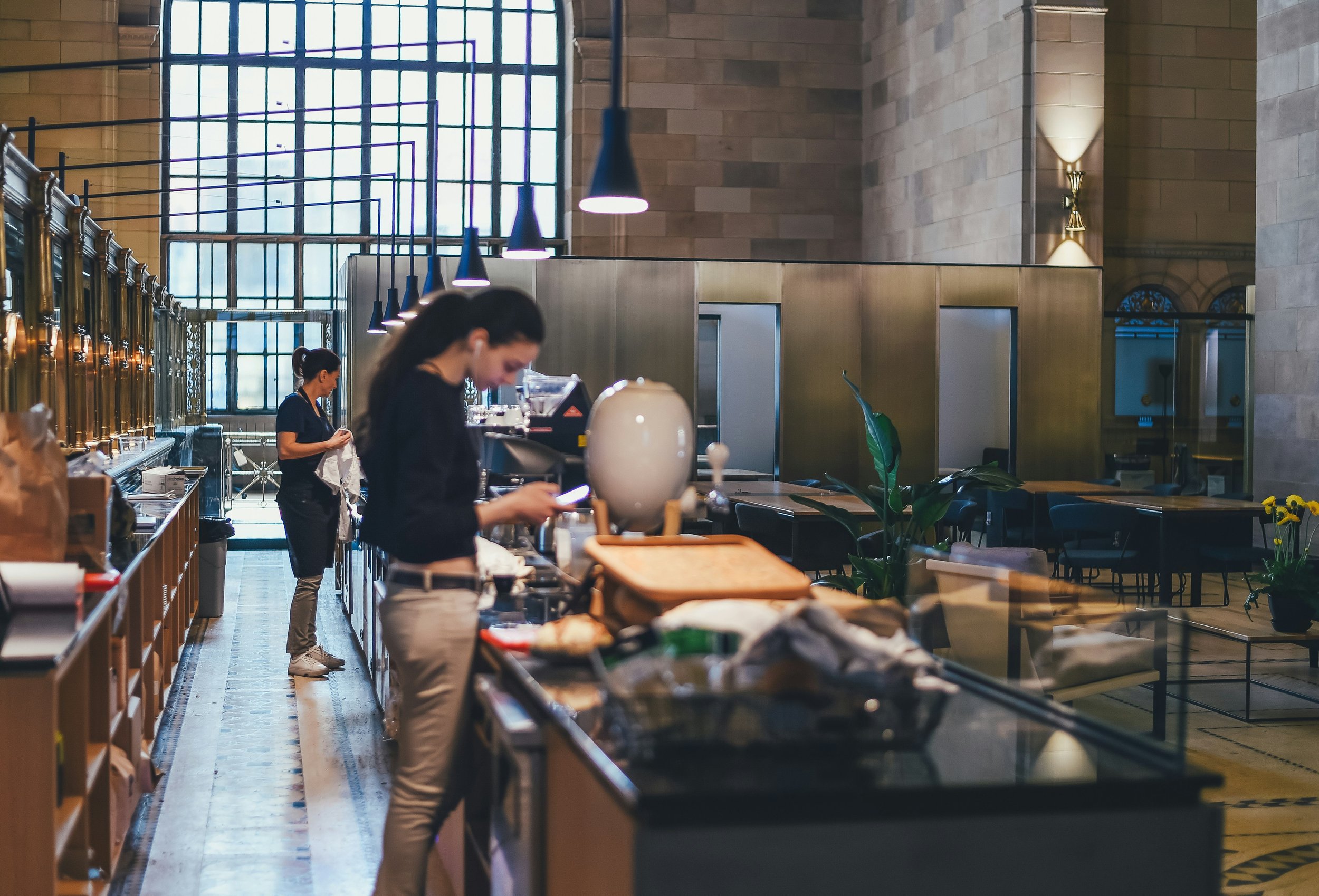
Operator-Led Kitchen & Bar Design That Protects Your CAPEX and Elevates Performance
Operational kitchen layout, workflow design, and alignment between menu, labor, and physical space. Operator-Driven Kitchen & Bar Design, Grounded in Real Hotel & High-Volume Experience.
Kitchen & Bar Design
Your kitchen and bar are more than workspaces — they are the production engines of your entire F&B program. A smart design reduces labor, speeds up service, protects margins, and keeps your operation safe, compliant, and efficient. At LARIEN™, kitchen and bar design isn’t theoretical. It comes from years of opening, running, restructuring, and optimizing food & beverage programs inside major hospitality environments: Hilton · Marriott · Hyatt Regency · JDV by Hyatt · DoubleTree · Hilton Garden Inn · Waldorf Astoria · Nordstrom · UCLA Hospitality.
We understand what a kitchen needs at full speed, not just on paper. We design through the lens of a true operator — someone who has stood on the line, managed labor costs, executed CAPEX plans, and delivered results under peak pressure.
-
(Pricing depends on outlet size, complexity, volume, and number of bars/kitchens)
Deliverables Include:
Collaboration with architects, interior designers, and engineering teams
Kitchen + bar layout planning (front bar, service bar, dish, prep, pantry, pastry, etc.)
Workflow and station optimization for speed + efficiency
Food prep, dishwashing, beverage, and storage zone design
Equipment schedule, cut sheets, and full spec book
MEP coordination + health department–ready documentation
Electrical, supply, and drain layout guidance
Up to three onsite coordination visits
Every design is customized to your:
Menu structure
Anticipated volume
Labor model
Brand positioning
Compliance requirements
Your workspace should feel intuitive, efficient, and built to support revenue — not create bottlenecks.
-
Investment Range: $4,750 – $7,250**
Common Pitfalls When Buying Equipment Alone:
Equipment arrives before the Certificate of Occupancy and has nowhere to go
Delivery teams refuse to unload heavy items
Owners end up warehousing pieces in storage or garages
Installation becomes chaotic and costly
Damaged items fall on YOU to replace
Mismatched electrical or drainage specs delay inspections
Costs spiral because each piece was purchased separately
What looks like savings quickly becomes a logistical and financial headache.
-
Strong Concepts Begin with Strong Foundations
F&B concept development is exciting — but without a financial model, a positioning strategy, and a clear operational vision, even great ideas can fail to launch.
This phase builds the financial and strategic backbone your concept needs.
We validate feasibility, clarify investment requirements, map revenue potential, and shape your brand story in a way that resonates with investors, ownership, and stakeholders.This phase ends when you approve the concept and secure your site (lease or purchase).
Key Deliverable:
F&B Profit Model (hotel-ready, investor-ready)
Optional Add-Ons:
Full Business Plan: Narrative describing brand philosophy, guest experience, competitive position, and operational design
Concept Book: A visual, investor-ready pitch deck for owners, landlords, and lenders
Typical Investment: $6,500 – $22,500
Timeline: 4–6 weeks
Progression Trigger: Concept approva
-
Designing a Concept That Works — On Paper and in Real Life
Once the site is secured and the concept is approved, we align the design with your business model. This includes working hand-in-hand with architects, designers, and brand partners to ensure the physical space supports operational flow, guest experience, and revenue targets.
This phase ends when construction drawings are submitted for permitting.
Key Deliverables:
Kitchen + bar design (equipment layouts, spec sheet, bid support)
Back-of-house and service-flow planning
Coordination with architects and interior designers
Concept narrative refinement (with optional brand partner collaboration)
Menu structure wireframes to guide culinary + beverage design
Guest journey and throughput mapping
Seating mix recommendations + revenue per sq ft alignment
Typical Investment: $14,000 – $28,000
Timeline: 4–6 weeks
Progression Trigger: Permit-ready construction drawings
-
Where Vision Becomes Operational Reality
During this phase, construction moves forward — and so does your operational foundation.
We engineer a full menu program built for profitability, speed, and guest appeal. Simultaneously, we construct the operational framework, including staffing, training systems, service standards, inventory controls, and financial setup.This is also the moment to hire your leadership team. We help interview, assess, and recommend talent aligned with the brand.
Key Deliverables:
Full project timeline + alignment with GC/architect
Menu engineering (food, beverage, cocktails, retail if applicable)
Fully costed, scalable recipes tested for real-world execution
POS + tech stack recommendations
Organizational chart + job descriptions
Service sequence, training manuals, BOH/FOH policies
Leadership recruiting support
P&L configuration + reporting dashboard
Pre-opening project management
Typical Investment: $38,000 – $92,000
Timeline: 10–14 weeks
Progression Trigger: Permanent Certificate of Occupancy
-
Activate Your Team. Align Your Systems. Protect Your Opening.
This phase ensures your opening team is confident, capable, and operationally disciplined. We embed with leadership to guide training, final setup, inventory onboarding, and execution strategies.
We don’t run your restaurant — we help your team run it at a high level from day one.
Key Deliverables:
Side-by-side leadership coaching
System implementation + final refinement
Task accountability + leadership rhythms
Launch-readiness audits
Space setup guidance
Trainer selection + onboarding support
Mock service, training week, dry runs
On-site presence (8–10 days, up to 3 consultants)
Knowledge transfer + transition
Opening day support
Typical Investment: $48,000 – $78,000
Timeline: 6–8 weeks
Progression Trigger: Certificate of Occupancy + staffing readiness
Frequently Asked Questions
-
They can — but vendor designs are built to sell equipment, not to improve workflow, labor efficiency, or revenue.
Our designs are built around menu flow, staffing levels, CAPEX, constraints, and operational execution, which vendors do not evaluate. -
We can, but the strongest results come when kitchen layout and menu flow are aligned. If your menu isn’t final, we help define the culinary direction so your layout supports real production, not guesswork.
-
Yes.
We coordinate directly with your architect, engineers, and jurisdiction to ensure your layout meets MEP requirements, ADA guidelines, fire code, NSF standards, and health department compliance.
-
You can — but most operators unintentionally create delays, receive incorrect specs, or pay more in freight, storage, and installation. We provide bid comparison, vendor negotiation, warehousing coordination, and installation oversight to protect your CAPEX and timeline.
-
Typically 3–6 weeks, depending on:
Outlet size
Complexity
Hotel vs. standalone restaurant
Number of bars or auxiliary spaces (grab-and-go, IRD, banquets, buffet areas)
Complex multi-outlet hotels may take slightly longer due to coordination with architects and brand requirements.
-
Yes — this is a core differentiator for LARIEN™.
We design production kitchens, satellite spaces, and service lines for:Banquets & events
Buffets & breakfast programs
Grab-and-go markets
In-room dining (IRD)
Pool bars, lounges & rooftop outlets
Each requires a unique layout, holding strategy, and flow model — and we design them to increase revenue while protecting labor.
CAPEX-Smart, Operationally Driven Design
Because we have worked inside hotel environments with strict CAPEX approvals, financial oversight, and corporate brand standards, we design with clarity, cost control, and operational efficiency from day one.
-
We collaborate directly with architects, engineers, and designers.
Smooth service at peak volume
Fast, logical workflow
Efficient labor distribution
Accurate MEP (mechanical, electrical, plumbing) requirements
Brand identity and guest experience
Health department compliance
Reduce labor needs
Increase speed of execution
Improve consistency
Strengthen your menu profitability
Drive measurable revenue
-
Collaboration with architects, interior designers, and engineers
Kitchen and bar layout planning
Prep area and hot line optimization
Dish, storage, and beverage zone design
Menu-aligned station design (based on flow and throughput)
Equipment schedule and spec book
MEP coordination (supply, drain, electrical)
Health department-ready layouts
Up to two onsite coordination visits
-
Equipment delivered before your Certificate of Occupancy
No labor to unload heavy items
Damaged items stored in back rooms
Surprise freight, liftgate, or installation fees
Improper sequencing with GC and subcontractor work
Submit spec book to vetted vendors for apples-to-apples bids
Negotiate pricing across all items
Consolidate orders to avoid chaos
Confirm warehousing until installation is appropriate
Coordinate delivery with construction timeline
Oversee installation and resolve issues
Grab-and-Go & In-Room Dining (IRD) Design
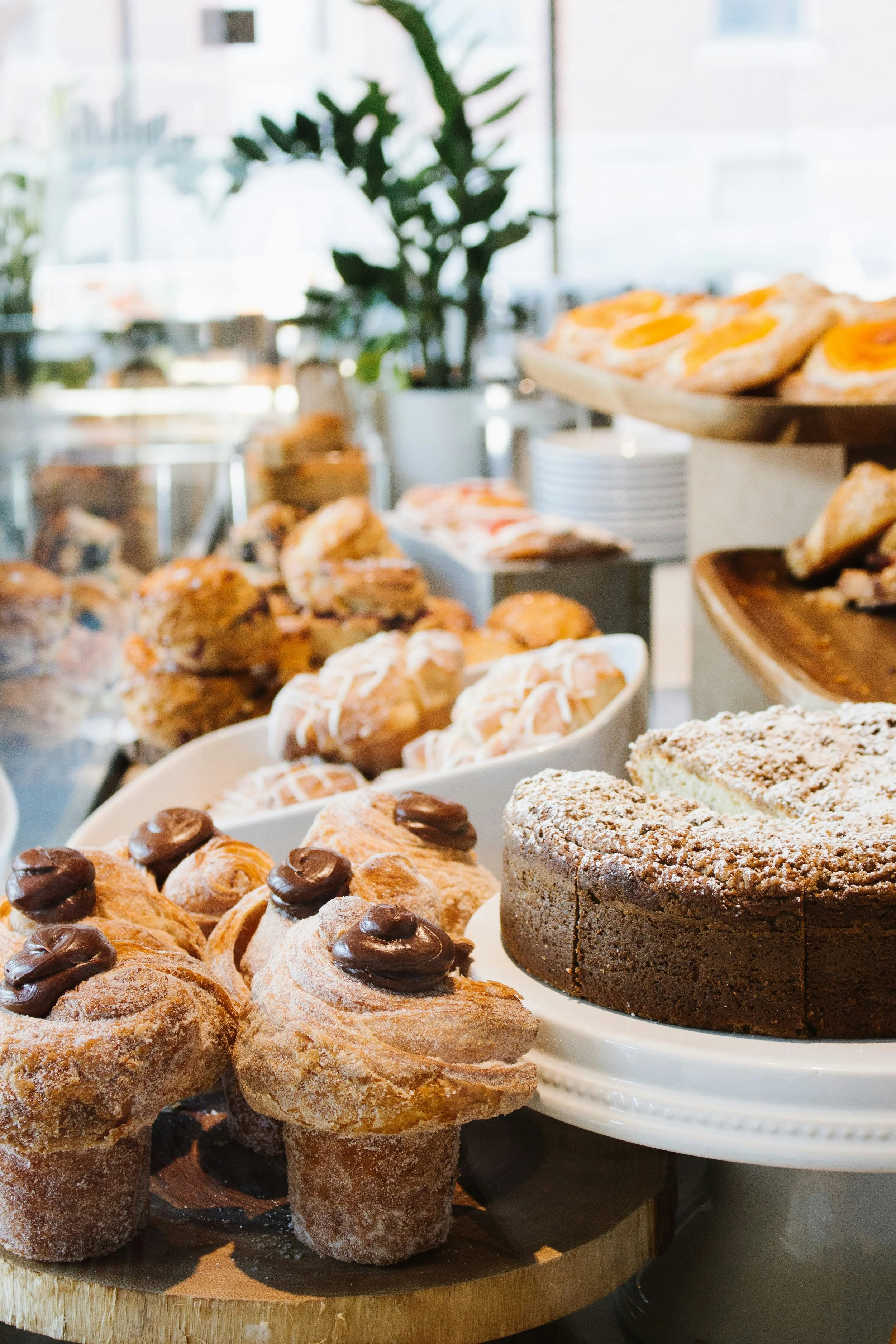
Hotel F&B performance increasingly depends on fast, efficient, high-margin secondary revenue streams. Grab-and-Go markets and In-Room Dining programs require specialized layout planning to avoid bottlenecks and protect labor efficiency; When properly designed, these programs reduce strain on the main line while increasing outlet capture and guest satisfaction. We design—-
-
Create an efficient, self-contained room service production area that separates IRD flow from the main kitchen. Improves speed, reduces line congestion, and supports higher guest-volume periods.
-
Design staging zones and heat-retention setups that protect food quality during delivery or delayed service. Ensures consistent temperatures and improves guest satisfaction.
-
Optimize your kitchen’s packaging stations for efficiency, accuracy, and speed. Streamlined workflow reduces ticket times and eliminates bottlenecks during peak periods.
-
Plan effective grab-and-go, retail, and cold case layouts that enhance product visibility, increase impulse sales, and maintain food safety standards.
-
Engineer routing systems that minimize ticket delays and prioritize high-volume or time-sensitive orders. Enhances communication between expo, FOH, and BOH teams.
-
Redesign menus to fit the constraints of your existing kitchen equipment, improving execution reliability while maintaining quality and speed.
-
Develop efficient food transport systems for properties where elevators impact timing. Ensures timely delivery for IRD, banquets, and rooftop/bar outlets.
-
Maximize underutilized spaces by aligning menu, staffing, and equipment strategy with revenue potential. Converts low-performing areas into profitable, efficient zones.
Flow, Efficiency, and Profit Begin with Design.
We create layouts and equipment plans tailored to your menu, volume, staffing model, and operational goals.